We are a platform dedicated to

Freedom of Expression and the Public's Right to Know

Genuine democracy, advancement of knowledge, individual self-development, and social justice depend on a society in which freedom of expression and the right to know are a reality for everyone. The Centre for Free Expression works to advance these rights though public education, advocacy, law reform, research, advisory services, policy analysis, assistance to courts, and organizational collaborations.

The Latest

Blog January 13, 2026

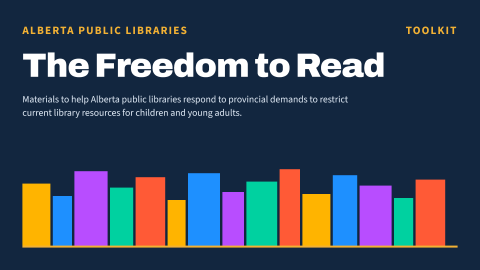
When Ministerial Orders Shape What Students Can Read

In May 2025, Alberta’s Minister of Education issued Ministerial Order 030/2025, setting province-wide rules governing access to literary materials in K–12 schools. While presented as a child-protection measure, a subsequent clarification made clear that the order applies not only to school libraries, but to entire school environments—including classrooms, supplementary reading, and voluntary access spaces.
Blog December 9, 2025

The Feds’ “Combatting Hate Act” (C-9) Should Be Withdrawn Now

Occasionally, governments introduce legislation that gets things wrong. That certainly is the case for the Liberal Government’s Bill C-9: The Combatting Hate Act. Every aspect of it is flawed.This is a special concern because it is a bill that restricts free expressive rights. Expressive freedom is never without limits, but our courts have been very clear that any restrictions must minimally impair our fundamental democratic freedoms. 
Court Submission November 25, 2025

Democracy Watch v. Attorney General of Canada, SCC Court File No. : 41576

CFE Intervener Factum in the Supreme Court of Canada - In this factum, CFE submits that citizens’ access — and particularly, public interest litigants’ access — to judicial review remedies is a fundamental feature of the democratic dialogue in Canada. Absent a robust remedial comparison, judicial review applicants are at risk of being rerouted to inadequate alternative processes, including political processes with which they cannot meaningfully engage.